
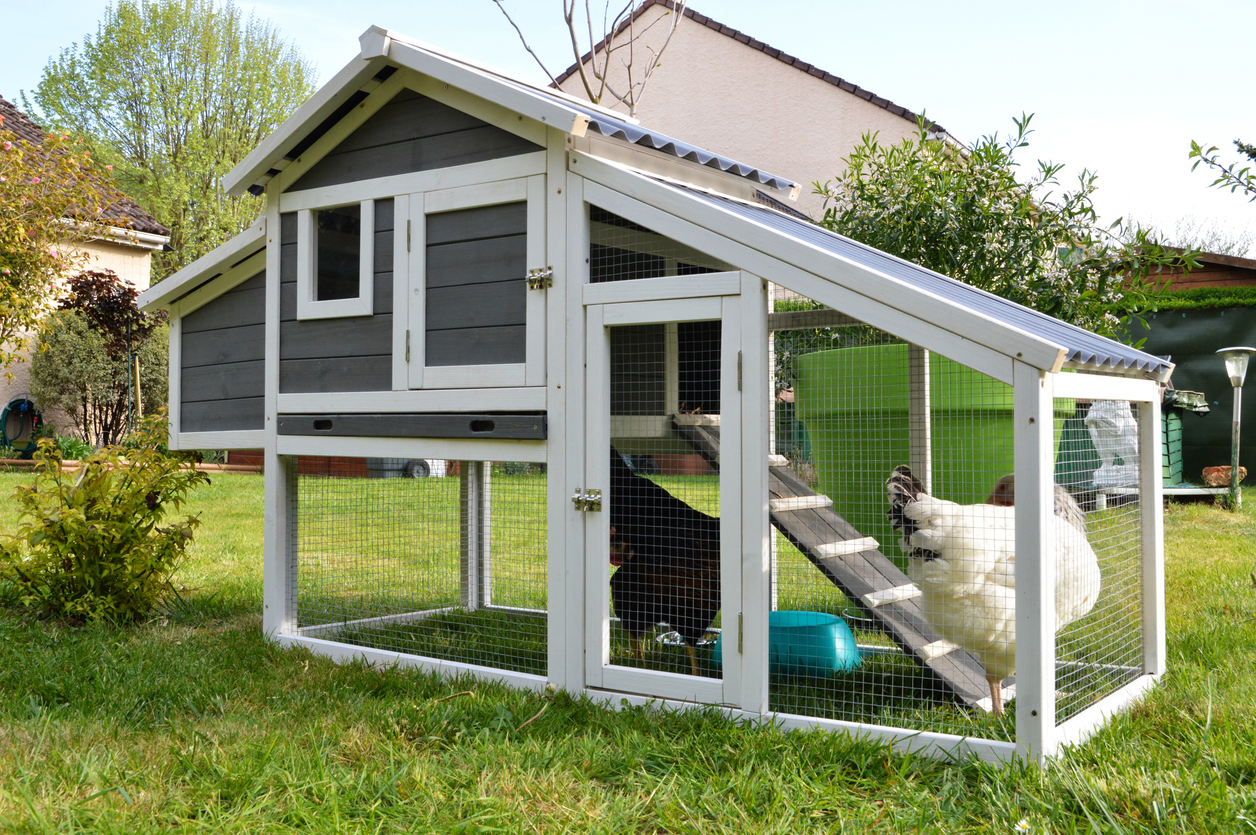
Why Chicken Coops Are Everywhere Right Now
Across the U.S., backyard chicken coops are popping up faster than ever. When egg prices started rising during 2024 prompting more homeowners to look for self-sufficiency, raising chickens went from a niche hobby to a mainstream backyard project. That momentum carried into 2025 and beyond, as a growing focus on personal health and food quality led more Americans to raise their own chickens for reliable access to fresh eggs.
For contractors who already build barns, sheds, and outdoor structures, chicken coops are a natural fit. They’re smaller projects, but homeowners still expect them to be durable, secure, and built right — especially when animals and predators are involved.
Step 1: Start With a Solid Frame
Every good chicken coop starts with a strong frame. Even smaller coops need to hold up to wind, weather, and daily use.
Builders typically frame coops using standard lumber and framing nails for speed and strength. In areas where extra precision is needed — such as door frames or nesting box supports — wood screws are often used to pull joints tight and allow for easy adjustments later.
Step 2: Securing Doors and Access Points
Chicken coops usually have multiple access points including a main entry door, egg collection doors, and clean-out panels.
4” tee hinges are a popular option because they’re easy to install, distribute weight well, and hold up to repeated use. To keep doors secure, builders commonly rely on barrel bolts for quick daily access.
Step 3: Keeping Chickens In and Predators Out
Predator protection is one of the biggest concerns for homeowners. Spring loaded animal bolts automatically return to the closed position, reducing the risk of doors being left unsecured.
For added security, hasps and staples allow for padlocks or secondary locking points, especially useful at night or for storage areas.
Step 4: Roofing That Holds Up to the Elements
A coop roof protects both the chickens and the structure itself. Roofing nails are commonly used for shingles or metal roofing, providing strong holding power in outdoor conditions.
Step 5: Interior Features and Finishing Touches
Inside the coop, nesting boxes, roosting bars, and access panels need to be sturdy and easy to maintain. Wood screws are ideal for these areas because they allow for adjustments and clean installation.

A Growing Opportunity for Contractors
Chicken coops may be smaller than barns or sheds, but demand continues to grow. The advantage for builders is that most coops use the same reliable hardware already stocked and trusted.
Abbey Hardware supplies dependable hinges, latches, bolts, nails, and fasteners builders rely on for chicken coops and beyond.
At Abbey Hardware, we supply the heavy-duty tools, gate hardware, locks, hinges, and fasteners that pros rely on to complete installs with confidence. Talk to us about your next job – we’re here to help you build better.